
MMA Terminology 101: A Beginner’s Guide
Why MMA Has Its Own Language
Walking into your first MMA class can feel like learning a new language. Between drills, techniques, and coaching cues, it’s normal to feel overwhelmed at first — especially for beginners and parents watching from the sidelines.
Understanding common MMA terms helps students feel more confident, train smarter, and get more out of every class from day one.
Learning the Terms Makes Training Easier
You don’t need to know everything right away. Most students pick up terminology naturally over time, but having a basic understanding can make classes feel more approachable and less intimidating.
This guide breaks down the most common MMA terms you’ll hear on the mats at Shaddock MMA so you can focus on training — not guessing what something means.
Leg Locks: The Joint-Bending Submissions
Unlocking the Power of Leg Locks
Leg locks are submission moves that focus on the ankle, knee, or hip. Done correctly, they force an opponent to tap before any injury occurs. They’re powerful, technical, and require precise control.
Learning leg locks helps students understand leverage, timing, and safety. They’re exciting moves to master but always taught carefully to prevent injuries.
Guard: Your Secret Weapon from the Bottom
Why Guard Matters
The guard is a ground position where a fighter on their back uses their legs to control an opponent. It’s more than defense — it’s a launching pad for attacks and submissions.
Mastering guard builds confidence for beginners and gives every student a strategic advantage. Even when it looks like you’re “on the bottom,” you can stay dangerous.
Mount: Sitting on Top of the World
Taking Control from Mount
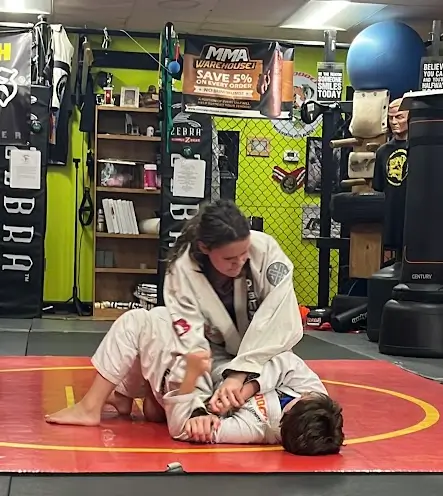
Mount is when a fighter sits on top of their opponent’s torso, controlling movement and dictating the action. From here, strikes and submissions become far more effective.
Mount teaches balance, positioning, and pressure. It’s a dominant spot that every MMA student dreams of controlling in sparring.
Tap (Tap Out): Knowing When to Fold
The Smartest Move in MMA
Tapping is how a fighter signals submission during training — either by tapping hand/foot or saying “tap.” It stops the action and keeps everyone safe.
Tapping isn’t weakness; it’s awareness. Recognizing when to tap is a sign of respect for your training partner and your own body.